Collection: Daredevil
Matt Murdock is blind. He is also a lawyer — a man who has dedicated his daylight hours to the pursuit of justice through the system — and then spends his nights dropping from rooftops in Hell's Kitchen to deliver a different kind. That contradiction is the engine of everything. Daredevil has always been Marvel's most Catholic character, in every sense of the word: guilt-ridden, penitent, forever falling and clawing his way back, convinced simultaneously that he is doing God's work and destroying everything he touches. No other superhero in comics carries guilt the way Matt Murdock carries it, and no other superhero has inspired such a consistently extraordinary run of great writing as a result.
Created by Stan Lee and Bill Everett in 1964, Daredevil spent his early years as a relatively lighthearted swashbuckler — a blind acrobat with a radar sense fighting colorful villains in a red suit. Then Frank Miller arrived in 1979 and fundamentally reinvented the character. Drawing on film noir, Japanese cinema, and the gritty urban texture of pre-Giuliani New York, Miller turned Hell's Kitchen into a living, breathing world of shadow and moral compromise, introduced Elektra as one of comics' great tragic characters, and made the Kingpin the most menacing villain in the Marvel universe. His run culminated in Daredevil: Born Again (1986) — illustrated by David Mazzucchelli in what may be the finest artwork ever applied to a Marvel comic — a story about Wilson Fisk dismantling Matt Murdock's entire life piece by piece, and what it takes to rebuild from nothing. It is one of the ten greatest comics ever published, full stop.
What makes Daredevil remarkable as a publishing history is how many writers have subsequently matched that standard. Brian Michael Bendis and Alex Maleev delivered a 55-issue crime noir epic in the early 2000s that pulled the character through identity exposure, mob warfare, and psychological collapse with novelistic density and moral complexity. Ed Brubaker followed immediately with a prison arc and a run through Shadowland that pushed Matt to his darkest extremes. Mark Waid then executed one of the great tonal pivots in comics history — deliberately steering the character away from darkness into a sun-drenched, swashbuckling celebration of the character's joy and wit, winning multiple Eisner Awards in the process. Chip Zdarsky's run (2019–2023) with artist Marco Checchetto is the most recent classic, a patient, beautifully constructed story about guilt, consequence, and whether a man who has caused as much harm as Matt Murdock deserves to keep wearing the mask — collected in full in two omnibus volumes released in 2024.
On screen, Daredevil has become one of Marvel's most celebrated properties. The Netflix series (2015–2018), starring Charlie Cox, brought Miller's noir aesthetic to live action with a brutality and seriousness that set a new standard for superhero television. Cox reprised the role in the MCU and headlined Daredevil: Born Again on Disney+, launched in 2025 — which sent demand for the collected editions surging and introduced a new generation of readers to one of comics' deepest back catalogues.
If Daredevil isn't on your shelf, you're missing the book that has quietly produced more masterpieces per decade than almost anything else in the medium.

-
Daredevil Epic Collection: Resurrection TPB - On Sale Date: December 1, 2026
Regular price $45.00 USDRegular price$54.99 USDSale price $45.00 USD-18% -
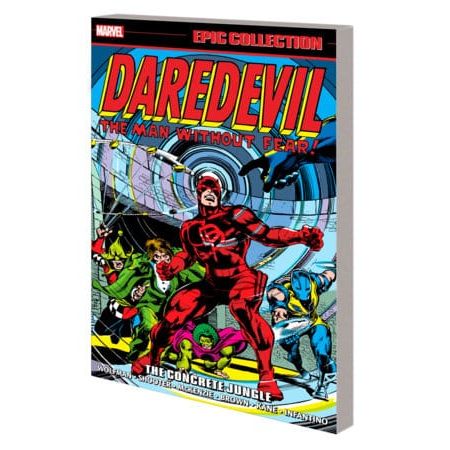
DAREDEVIL EPIC COLLECTION: THE CONCRETE JUNGLE
Regular price $45.00 USDRegular price$50.00 USDSale price $45.00 USD-10% -
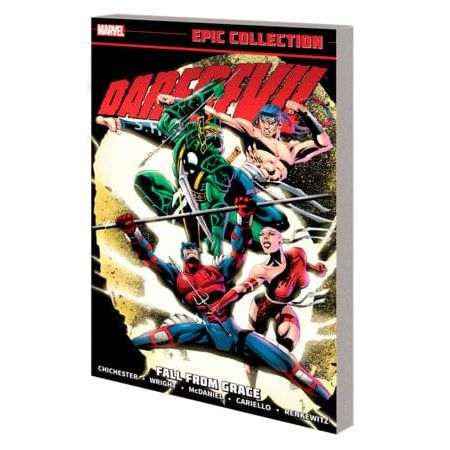
DAREDEVIL EPIC COLLECTION: FALL FROM GRACE
Regular price $42.00 USDRegular price$50.00 USDSale price $42.00 USD-16% -
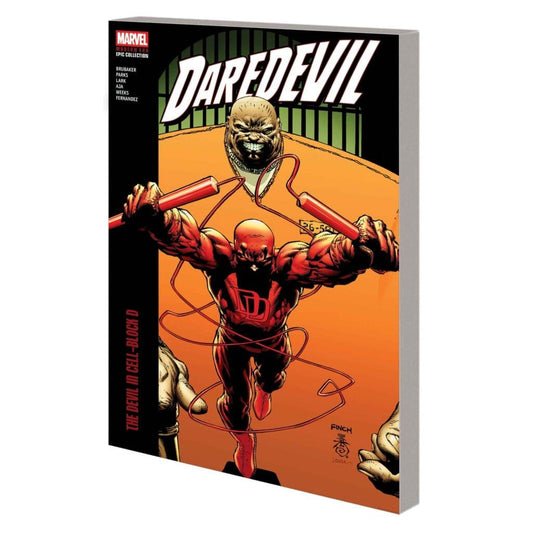
DAREDEVIL MODERN ERA EPIC COLLECTION: THE DEVIL IN CELL-BLOCK D TPB
Regular price $40.00 USDRegular price$44.99 USDSale price $40.00 USD-11% -
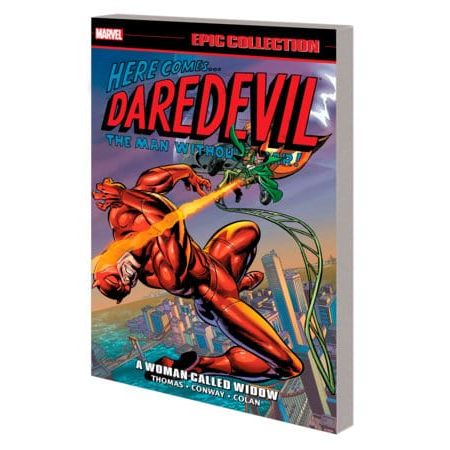
DAREDEVIL EPIC COLLECTION: A WOMAN CALLED WIDOW
Regular price $45.00 USDRegular price$50.00 USDSale price $45.00 USD-10% -
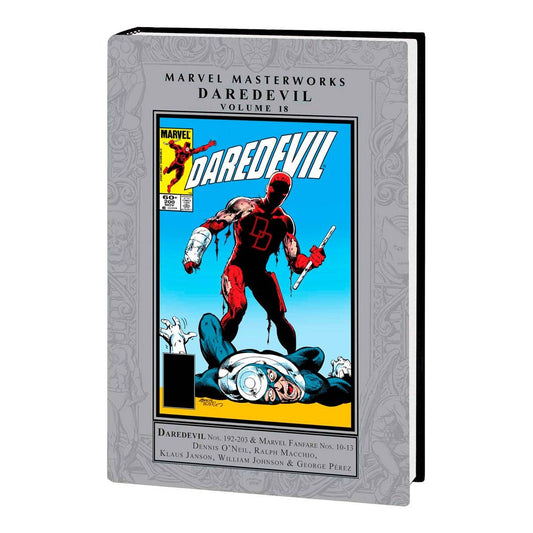
MARVEL MASTERWORKS: DAREDEVIL VOL. 18
Regular price $62.00 USDRegular price$75.00 USDSale price $62.00 USD-17% -
DAREDEVIL EPIC COLLECTION: MIKE MURDOCK MUST DIE! [NEW PRINTING]
Regular price $45.00 USDRegular price$50.00 USDSale price $45.00 USD-10% -
Frank Miller's Daredevil Artist's Edition
Regular price $150.00 USDRegular price -
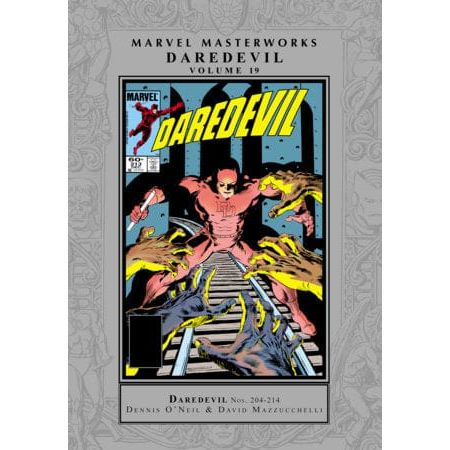
MARVEL MASTERWORKS: DAREDEVIL VOL. 19
Regular price $62.00 USDRegular price$75.00 USDSale price $62.00 USD-17% -
MARVEL PORTFOLIO OF ALEX MALEEV DAREDEVIL 12 PRINT SET
Regular price $42.00 USDRegular price$50.00 USDSale price $42.00 USD-16% -
MARVEL PORTFOLIO OF DAVID MACK DAREDEVIL 12 PRINT SET
Regular price $42.00 USDRegular price$50.00 USDSale price $42.00 USD-16% -
Daredevil Modern Era Epic Collection: Guardian Devil TPB - On Sale Date: February 23, 2027
Regular price $40.00 USDRegular price$49.99 USDSale price $40.00 USD-19% -
Daredevil Epic Collection: Redemption TPB - On Sale Date: May 9, 2027
Regular price $43.00 USDRegular price$54.99 USDSale price $43.00 USD-21%

![DAREDEVIL EPIC COLLECTION: MIKE MURDOCK MUST DIE! [NEW PRINTING]](http://www.panelboundcomics.com/cdn/shop/files/6_d546f2a3-0f7f-4008-baee-32949807484c.jpg?v=1754425410&width=533)